
The rise and fall of gambling an exploration through history
The Origins of Gambling
The history of gambling dates back thousands of years, with evidence suggesting that ancient civilizations engaged in various forms of games of chance. Archaeological findings from sites such as Mesopotamia and China reveal that dice were used as early as 3000 BCE, indicating that humans have long sought ways to test their luck and skill. The use of betting in social and ceremonial contexts illustrates the deep cultural significance gambling has held throughout history, including the rise of online casinos that cater to modern players.

As societies evolved, so did the complexity of gambling activities. By the time of the Romans, gambling was prevalent in various forms, including dice games, betting on gladiatorial contests, and chariot races. This era demonstrated that gambling was not just a pastime; it served as an entertainment medium deeply woven into the fabric of social interaction and public life.
The Boom of Gambling in the Modern Era
The modern gambling landscape experienced significant transformation during the 17th and 18th centuries, particularly in Europe. The establishment of state-run lotteries and the advent of commercial casinos marked the beginning of regulated gambling. This era saw an increase in public participation, with social classes coming together to wager on games of chance. The allure of potential wealth attracted a wider audience, making gambling a mainstream activity.
Technological innovations further propelled the popularity of gambling. The invention of the printing press allowed for the distribution of gambling-related materials, including guides and gaming rules. By the late 19th century, the establishment of betting shops and the introduction of poker rooms in the United States added to the mainstream acceptance of gambling, establishing it as a lucrative industry.
The Impact of Technology on Gambling
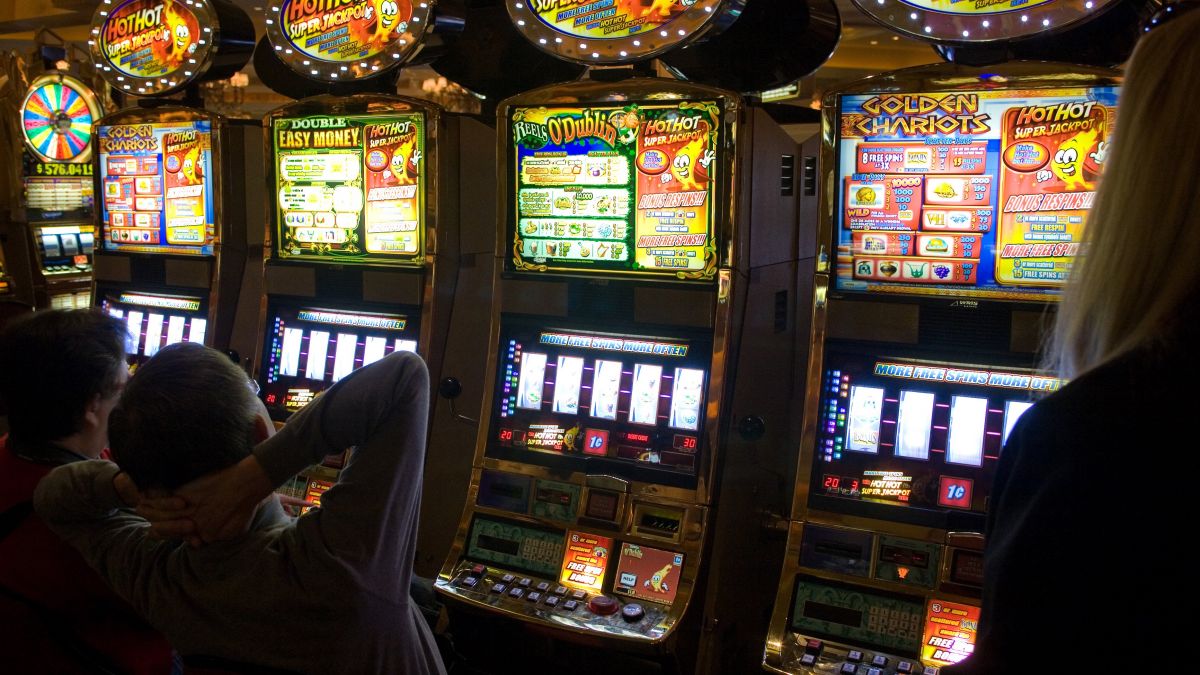
In the 20th century, technology began to reshape gambling practices dramatically. The introduction of electronic slot machines and video poker in casinos revolutionized how games were played, offering players instant gratification and a more engaging experience. This technological shift contributed to the rapid expansion of casinos, particularly in Las Vegas, which became synonymous with gambling and entertainment.
The advent of the internet in the late 1990s further transformed the gambling landscape. Online casinos and betting platforms emerged, allowing individuals to gamble from the comfort of their homes. This accessibility opened up new markets and demographic segments, but it also raised concerns regarding regulation, addiction, and the potential for fraud. The rapid evolution of technology continues to influence gambling today, with advancements like mobile gaming and virtual reality promising to reshape the industry once more.
The Decline of Traditional Gambling Practices
Despite the growth of the gambling industry, traditional forms of gambling have seen a decline in some areas. The rise of online gambling has shifted consumer preferences, leading many to favor the convenience of virtual platforms over traditional casinos. This change has prompted brick-and-mortar establishments to adapt by integrating technology into their offerings, such as providing mobile apps or online betting options.
Moreover, societal attitudes towards gambling have shifted, with increased awareness of its potential risks. The rise of responsible gambling initiatives highlights the importance of consumer protection and addiction prevention. As regulations evolve to address these concerns, traditional gambling faces challenges in maintaining its appeal amidst a rapidly changing landscape.
Conclusion and Reflection on the Future of Gambling
As we reflect on the rise and fall of gambling throughout history, it becomes evident that this complex industry mirrors societal changes and technological advancements. From ancient dice games to modern online platforms, gambling has continually evolved, adapting to the needs and desires of its participants. The future of gambling appears poised for further transformation, particularly as emerging technologies continue to reshape how we engage with games of chance.
For those seeking to navigate the world of gambling, understanding its historical context and current trends is crucial. Resources that provide insights into gambling practices and the implications of technology can be invaluable in this ever-evolving landscape. The journey through the history of gambling serves as a reminder of its profound impact on society and the continuous interplay between chance, technology, and culture.